Carbohydrates Brochure
Carbohydrates Brochure - Why do you need carbs? How to match carbohydrate food amounts in main meals for different physical activity levels. Carb digestion starts as you chew. How many carbohydrates should i eat? • strict, with fewer than 20 grams of carbs per day • moderate,. Instead of choosing white rice, try barley or brown rice. Understanding how carbohydrates affect your blood sugar can help you make important decisions about what kinds of foods you choose and. How does your body use carbs? On nutrition labels on packaged foods, the term. Carbohydrates are where to get more energy! These diets limit sugars and starches (also called. How many carbohydrates should i eat? The other two building blocks are protein and fat. Carbohydrates (also known as carbs) are one of three key nutrients, or building blocks, which make up all of the foods you eat. Carbohydrates are formed by green plants. Carbs are an important part of a healthy meal plan. Browse the myplate collection of printable tip sheets and. Carbohydrates are the main source of energy for the body and are found. The amount of carbohydrates you need depends on your diabetes goals, calorie and nutrition needs, and activity level. Understanding carbohydrates and learning how to plan meals can help you to manage your diabetes and reach your blood glucose (blood sugar) goals. Carbohydrates are biomolecules composed of carbon, hydrogen,. These diets limit sugars and starches (also called. Understanding carbohydrates and learning how to plan meals can help you to manage your diabetes and reach your blood glucose (blood sugar) goals. Acid in stomach stops the digestion. You will also make a new action plan! A carbohydrate in simplified terms is basically the energy component of the diet: Carbohydrates are where to get more energy! Here is a list of foods that may be eaten outside of usual meal or snack times and can help hunger without raising. Why do you need carbs? How to match carbohydrate food amounts in main meals for different physical. Carbs are an important part of a healthy meal plan. • strict, with fewer than 20 grams of carbs per day • moderate,. How does your body use carbs? There are many types of carbohydrates but generally we want to consume carbohydrates that come from mostly whole foods which are rich in fiber and other nutrients. This brochure is part. The amount of carbohydrates you need depends on your diabetes goals, calorie and nutrition needs, and activity level. Understanding how carbohydrates affect your blood sugar can help you make important decisions about what kinds of foods you choose and. Carbs are an important part of a healthy meal plan. Browse the myplate collection of printable tip sheets and. A biological. These diets limit sugars and starches (also called. A biological compound containing carbon, hydrogen and oxygen that is an important source of food and. For most adults with diabetes, it. You will also make a new action plan! Carbohydrates are formed by green plants. How does your body use carbs? A biological compound containing carbon, hydrogen and oxygen that is an important source of food and. Carbohydrates are where to get more energy! There are many types of carbohydrates but generally we want to consume carbohydrates that come from mostly whole foods which are rich in fiber and other nutrients. Carbs should make up. Carb digestion starts as you chew. A biological compound containing carbon, hydrogen and oxygen that is an important source of food and. Carbohydrates are formed by green plants. Understanding carbohydrates can help you prevent or delay type 2 diabetes. The other two building blocks are protein and fat. The amount of carbohydrates you need depends on your diabetes goals, calorie and nutrition needs, and activity level. On nutrition labels on packaged foods, the term. Acid in stomach stops the digestion. How to match carbohydrate food amounts in main meals for different physical activity levels. Understanding how carbohydrates affect your blood sugar can help you make important decisions about. Carbohydrates are the main source of energy for the body and are found. Why do you need carbs? Carbs should make up about 1⁄2 of a healthy diet. There are many types of carbohydrates but generally we want to consume carbohydrates that come from mostly whole foods which are rich in fiber and other nutrients. They provide a stored form. This brochure is part of the. The amount of carbohydrates you need depends on your diabetes goals, calorie and nutrition needs, and activity level. Understanding carbohydrates and learning how to plan meals can help you to manage your diabetes and reach your blood glucose (blood sugar) goals. Why do you need carbs? Acid in stomach stops the digestion. Carbohydrates come from starches and sugars. These diets limit sugars and starches (also called. Carbohydrates are where to get more energy! There are many types of carbohydrates but generally we want to consume carbohydrates that come from mostly whole foods which are rich in fiber and other nutrients. Understanding carbohydrates and learning how to plan meals can help you to manage your diabetes and reach your blood glucose (blood sugar) goals. Understanding carbohydrates can help you prevent or delay type 2 diabetes. Here is a list of foods that may be eaten outside of usual meal or snack times and can help hunger without raising. Carbohydrates are formed by green plants. • strict, with fewer than 20 grams of carbs per day • moderate,. Carbs are an important part of a healthy meal plan. They provide a stored form of energy, supply carbon for biosynthesis in cells, and form structural components of cells and. Carbohydrates, or carbs, can come in many forms, but the three main types are starch, sugar, and fiber. This brochure is part of the. How to match carbohydrate food amounts in main meals for different physical activity levels. Carbohydrates (also known as carbs) are one of three key nutrients, or building blocks, which make up all of the foods you eat. For most adults with diabetes, it.
CARB COUNTING MADE EASY A straightforward guidebook on the techniques
CARBOHYDRATES Brochure PDF Glycogen Carbohydrates
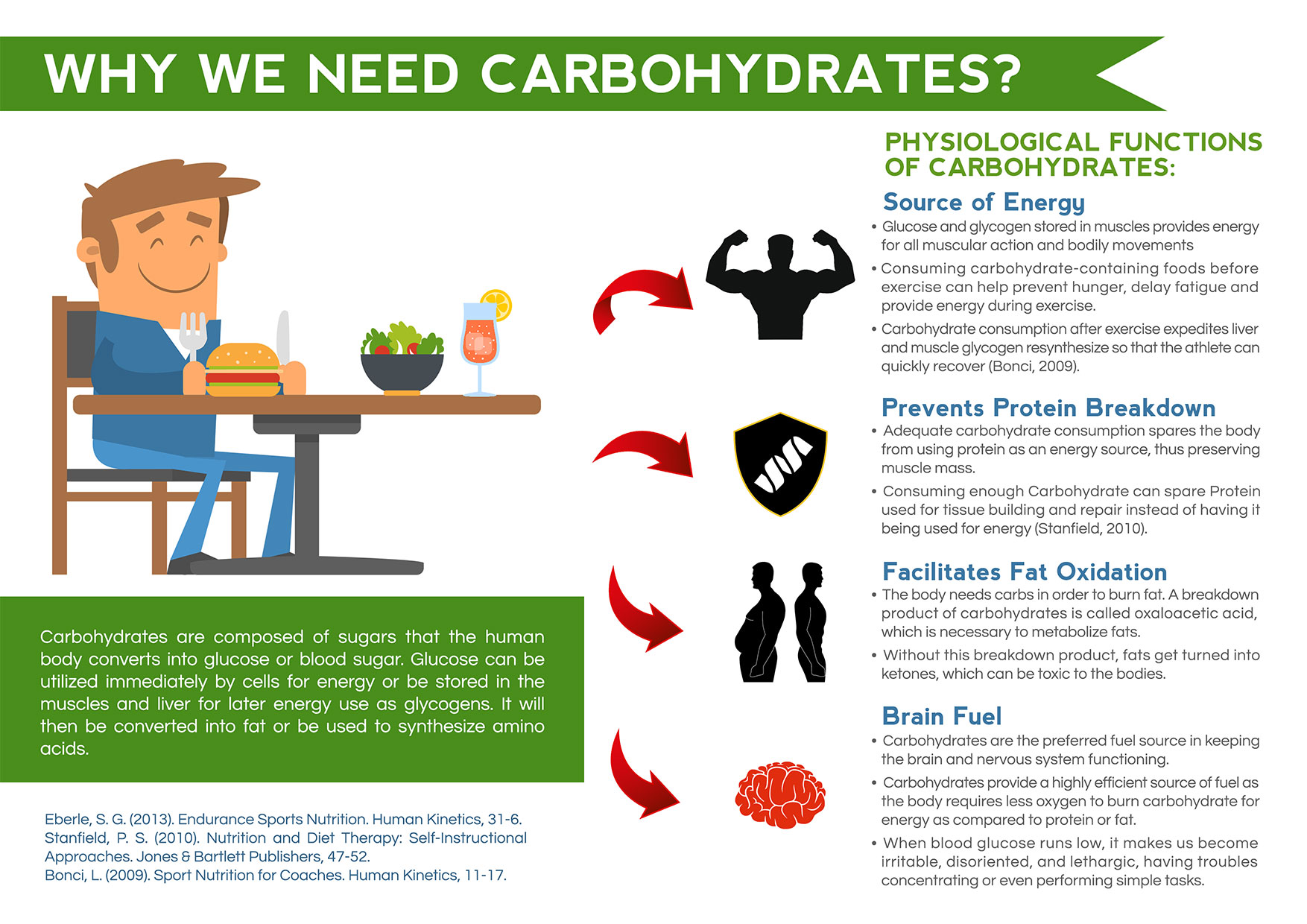
Infographiccarbohydrates DPO International

SOLUTION Carbohydrates Brochure Studypool
Brochure Carbohyd PDF Carbohydrates Nutrition
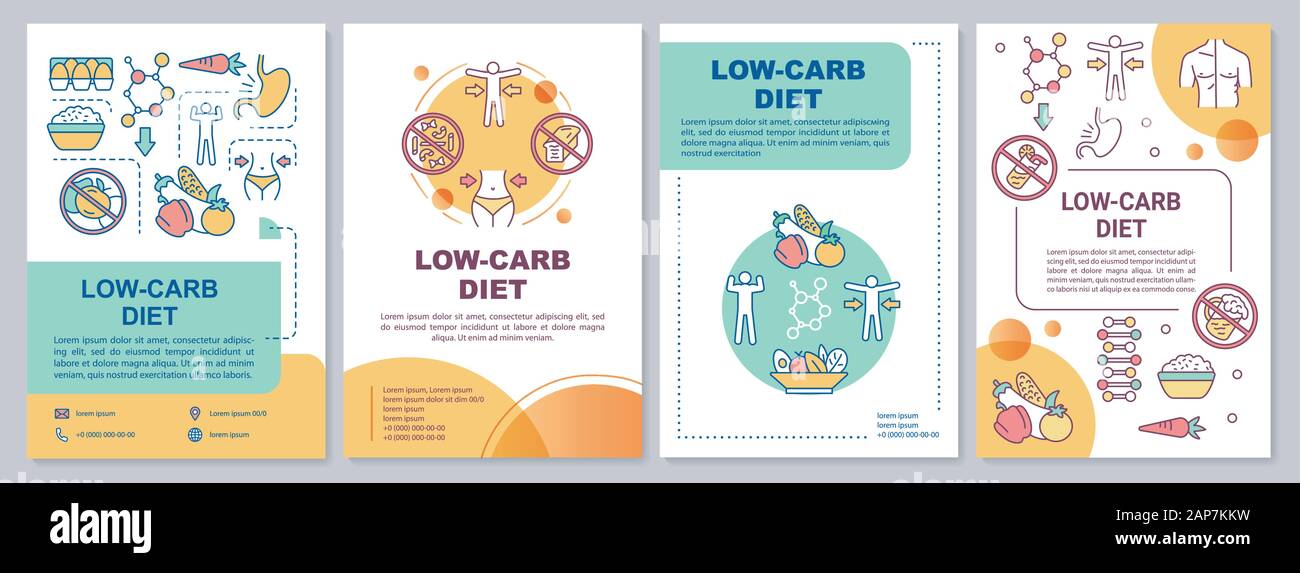
Low carb diet brochure template. Ketogenic nutrition. Flyer, booklet
![Carbohydrates Nutrition 101 [INFOGRAPHIC] Taher, Inc. Food Service](http://www.taher.com/wp-content/uploads/2015/01/Carbohydrates-Nutrition-101-Infographic.png)
Carbohydrates Nutrition 101 [INFOGRAPHIC] Taher, Inc. Food Service
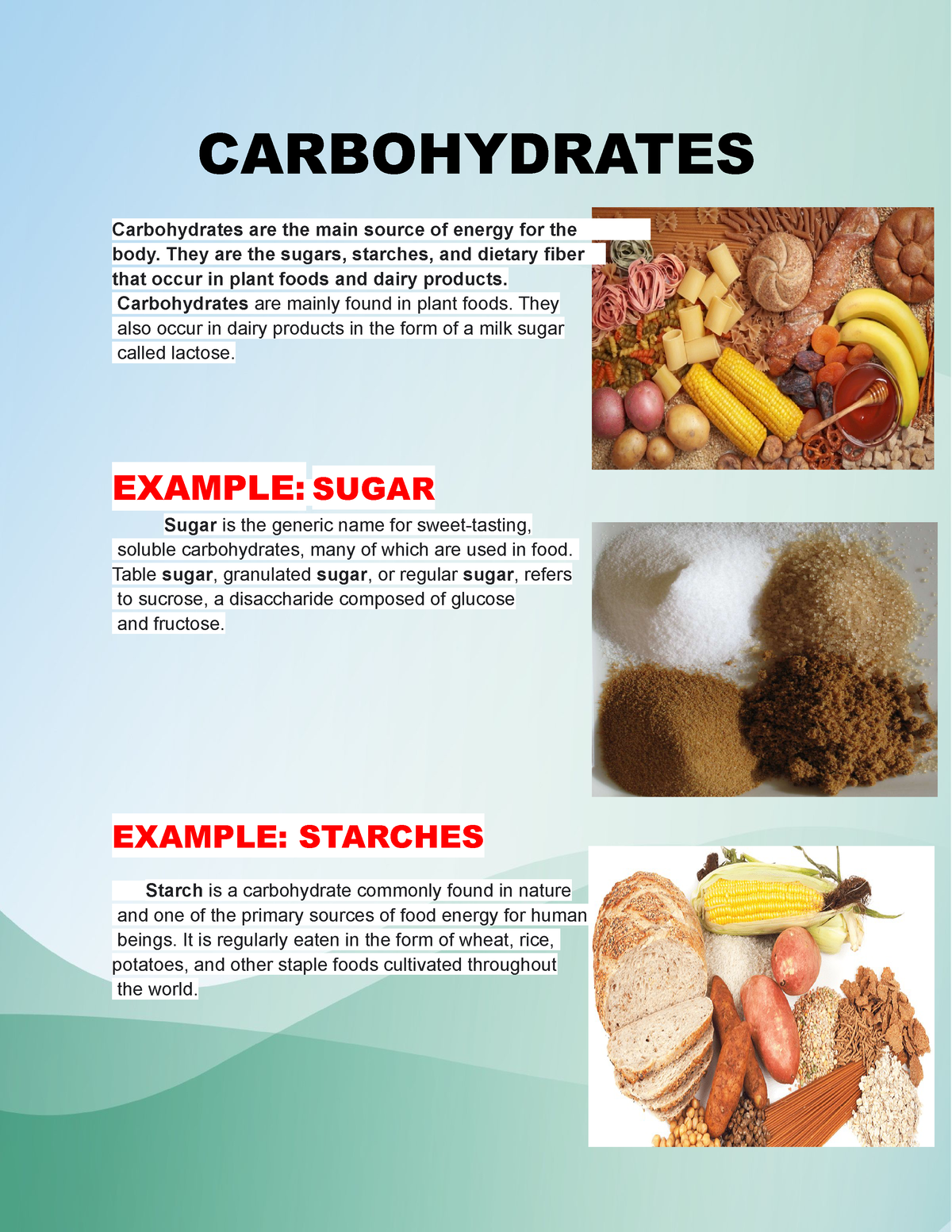
Brochure in ( Science) bueno CARBOHYDRATES Carbohydrates are the main

Essential Nutrients Brochure Essential Nutrients Brochure JOSEVICTOR

Poster on theme Healthy carbs in a balanced diet Nutrition Meets
Why Do You Need Carbs?
The Amount Of Carbohydrates You Need Depends On Your Diabetes Goals, Calorie And Nutrition Needs, And Activity Level.
Carbohydrates Are Biomolecules Composed Of Carbon, Hydrogen,.
Carbs Should Make Up About 1⁄2 Of A Healthy Diet.
Related Post:

