Types Of Paper For Printing Brochures
Types Of Paper For Printing Brochures - Discover the art of choosing the perfect paper for brochure printing! Whether you’re printing business cards, brochures, or packaging, the right paper sets the tone for your brand, enhances readability, and influences how your audience. Dive into our comprehensive guide, exploring paper types, finishes, and weights. You can also use 80 lb or 100 lb. When you talk about brochure paper, you’re really talking about two things: The 80# variant, is heavier, suits premium. The type of paper you choose for your company’s brochure depends on the mix of text and artwork, your brand’s image and your budget. Whether you’re publishing a novel, creating a marketing brochure, or producing a. Choosing the right paper, from coated and offset. As we explored, paper type directly. Learn which paper weight to choose and whether a gloss, matte or uncoated paper is the best choice. From text weight paper to glossy finishes, you truly have an endless amount of options. As we explored, paper type directly. You can also use 80 lb or 100 lb. If you’re wondering about the best type of paper for brochures, the easy answer is that most brochures will look and feel good when they’re printed on 100 lb silk text. The type of paper you choose for your company’s brochure depends on the mix of text and artwork, your brand’s image and your budget. In this guide, we’ll explore various paper types and how they influence your finished product. To better understand which type will fit your needs, look at some of the most common examples below. When placing an order with a brochure printing company, they will need to know. The 80# variant, is heavier, suits premium. When you talk about brochure paper, you’re really talking about two things: As we explored, paper type directly. Learn which paper weight to choose and whether a gloss, matte or uncoated paper is the best choice. White inkjet paper works well for day. For a print campaign, you have all these considerations, plus a factor unique to print: As we explored, paper type directly. Typically, there are two types. White inkjet paper works well for day. Lightweight and durable, ideal for everyday office. But when deciding on the best paper to print brochures on, there's more to it than just the weight. To better understand which type will fit your needs, look at some of the most common examples below. Whether you’re printing business cards, brochures, or packaging, the right paper sets the tone for your brand, enhances readability, and influences how your audience. Thick enough to stop ink from bleeding through, vital for printing on both sides. From text weight paper. White inkjet paper works well for day. We’re happy to help you find the paper. Lightweight and durable, ideal for everyday office. In this guide, we’ll explore various paper types and how they influence your finished product. The 80# variant, is heavier, suits premium. However, a comprehensive understanding of paper weight, finish, and brochure size is essential to find the right paper for your brochure. Whether you’re publishing a novel, creating a marketing brochure, or producing a. But when deciding on the best paper to print brochures on, there's more to it than just the weight. Discover the best paper types for brochure printing.. Dive into our comprehensive guide, exploring paper types, finishes, and weights. Whether you’re publishing a novel, creating a marketing brochure, or producing a. However, a comprehensive understanding of paper weight, finish, and brochure size is essential to find the right paper for your brochure. Whether you opt for glossy,. In the world of book and brochure printing, the choice of. We’re happy to help you find the paper. Whether you opt for glossy,. Dive into our comprehensive guide, exploring paper types, finishes, and weights. This type of paper works well with printing due to its easy absorption of ink and pleasant smooth surface. From text weight paper to glossy finishes, you truly have an endless amount of options. The type of paper you choose for your company’s brochure depends on the mix of text and artwork, your brand’s image and your budget. For a print campaign, you have all these considerations, plus a factor unique to print: To better understand which type will fit your needs, look at some of the most common examples below. The 70# type. Dive into our comprehensive guide, exploring paper types, finishes, and weights. Discover the best paper types for brochure printing. The 80# variant, is heavier, suits premium. White inkjet paper works well for day. Use uncoated paper so it’s easy to write on. Dive into our comprehensive guide, exploring paper types, finishes, and weights. To better understand which type will fit your needs, look at some of the most common examples below. Before diving into specific paper types, it’s essential to understand the two. In the world of book and brochure printing, the choice of paper can make or break your project. When. This type of paper works well with printing due to its easy absorption of ink and pleasant smooth surface. You can also use 80 lb or 100 lb. Choosing the right paper, from coated and offset. From smooth printer paper to fibrous handmade sheets, the options are vast. Discover the best paper types for brochure printing. To better understand which type will fit your needs, look at some of the most common examples below. From text weight paper to glossy finishes, you truly have an endless amount of options. Everything you need to know to choose paper for your printed brochure. Whether you’re printing business cards, brochures, or packaging, the right paper sets the tone for your brand, enhances readability, and influences how your audience. Whether you opt for glossy,. In the world of book and brochure printing, the choice of paper can make or break your project. We’re happy to help you find the paper. Before diving into specific paper types, it’s essential to understand the two. Whatever the weight of the paper you choose, the finish has a vital role to play. Choosing the best paper for printing brochures depends on your specific needs, including the brochure's purpose, desired aesthetics, and budget. The type of paper you choose for your company’s brochure depends on the mix of text and artwork, your brand’s image and your budget.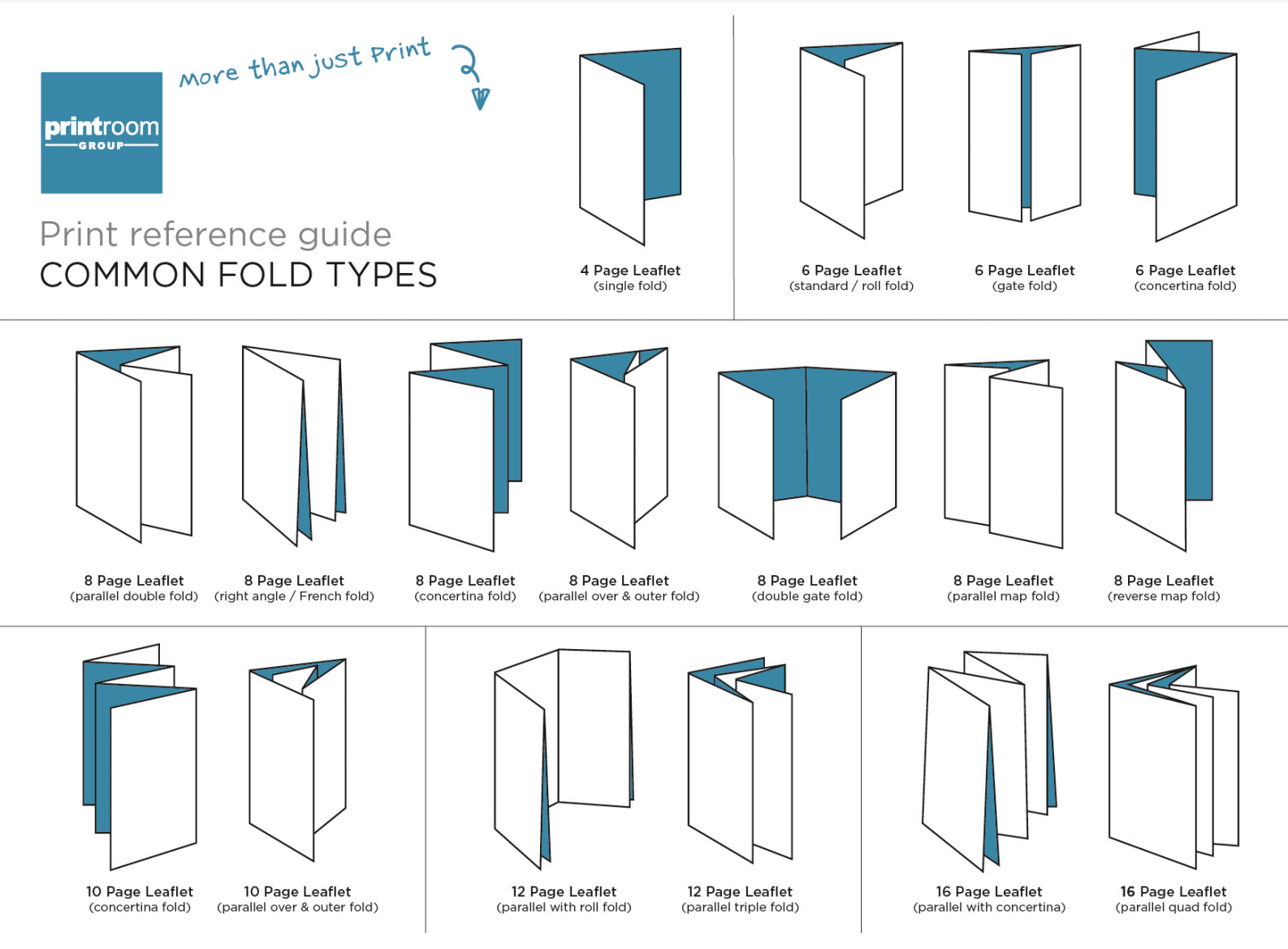
Flyer and Leaflet Styles Printing Ideas 2024 Printroom Group
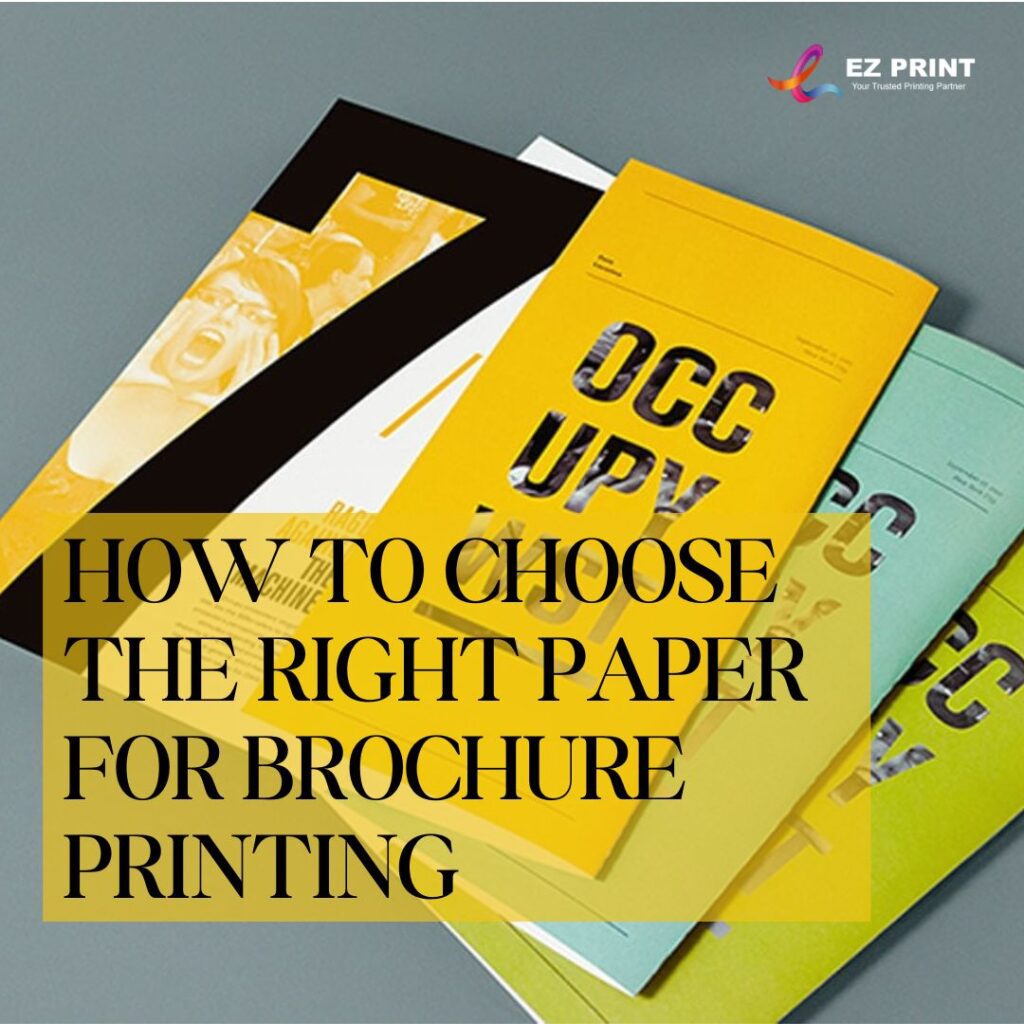
How to Choose the Right Paper for Brochure Printing EZ Print
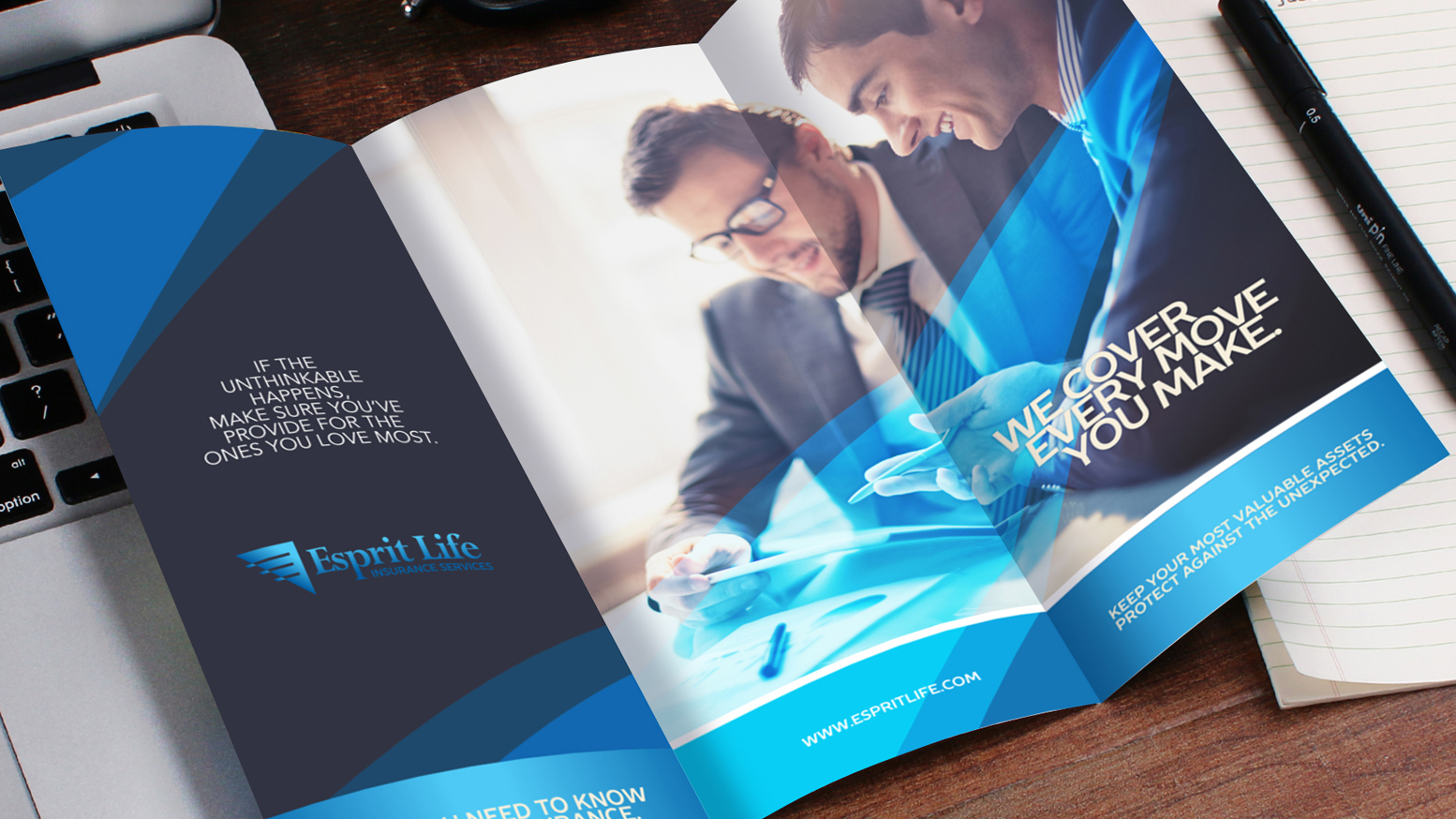
The Ultimate Brochure Paper Guide Confusing Terms Explained
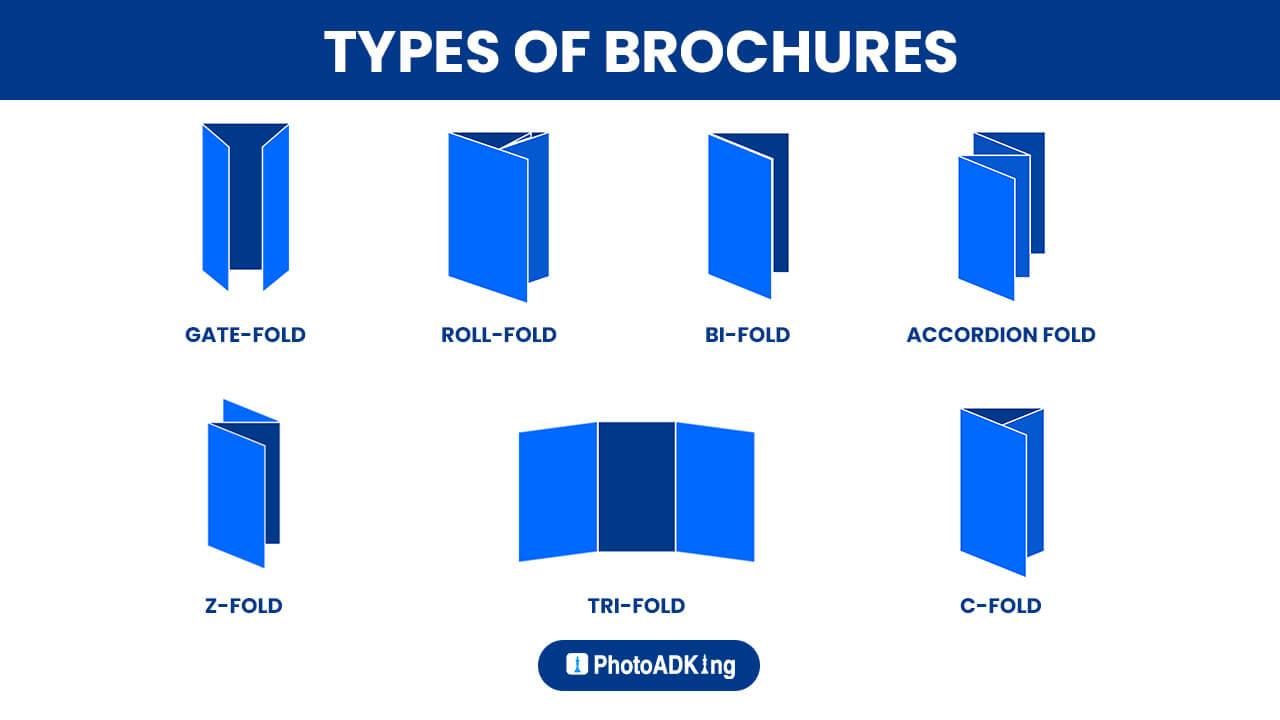
What Are the Different Types of Brochures?
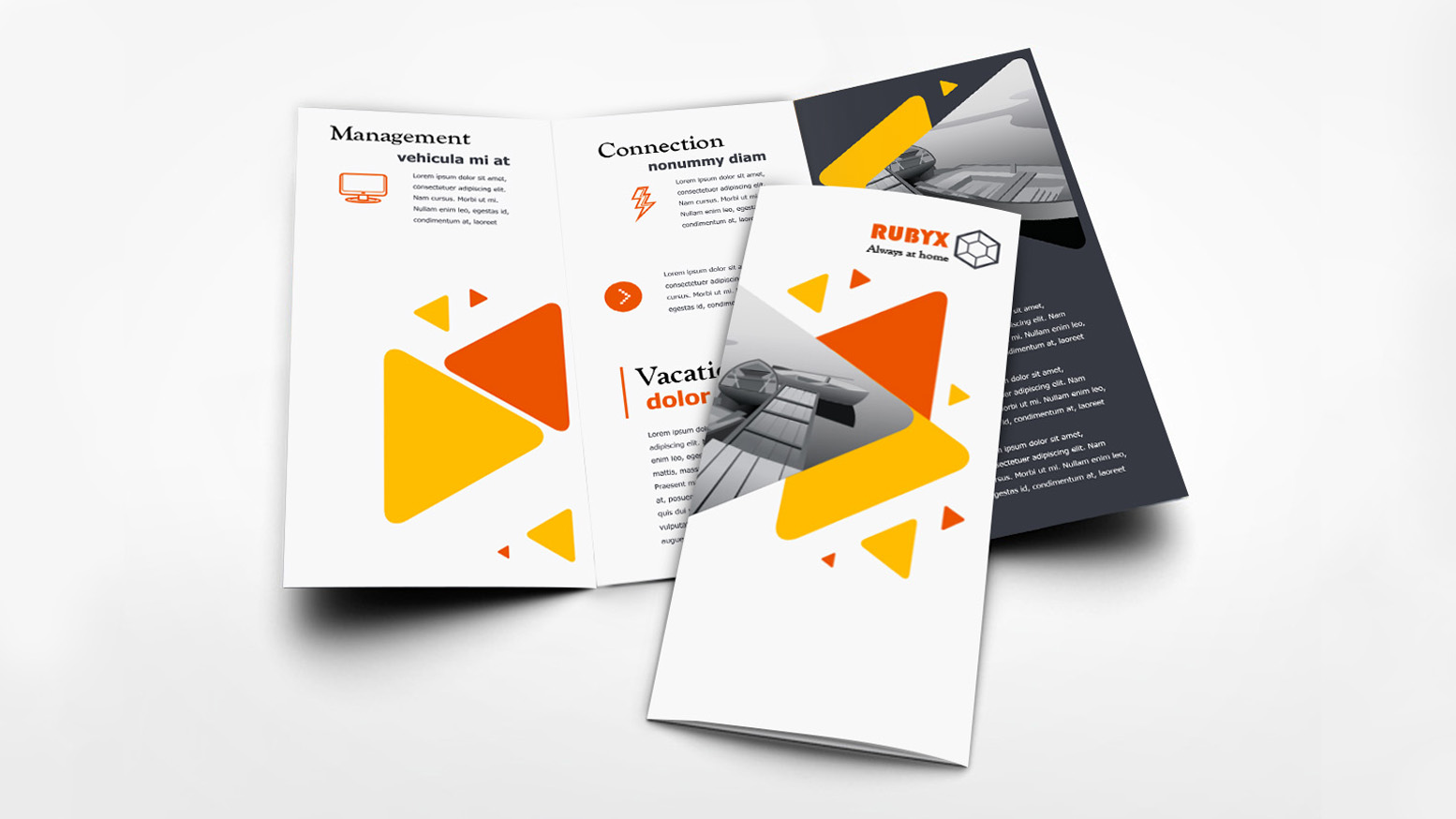
The Ultimate Brochure Paper Guide Confusing Terms Explained

What Is The Best Type Of Paper For Brochure Printing
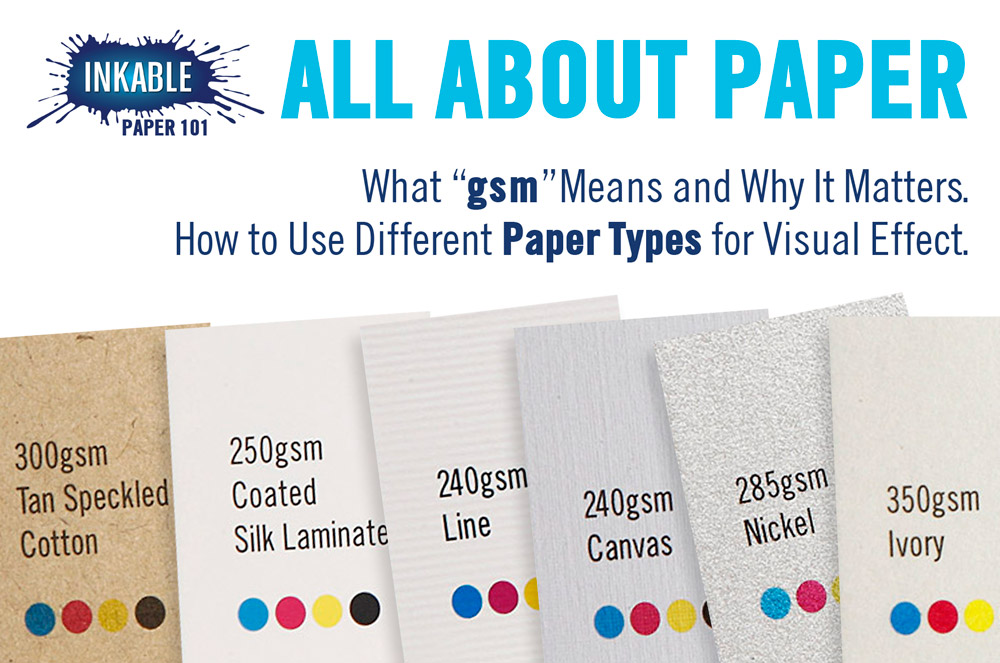
All About Paper Paper Weights and Different Paper Types, Explained
What Type of Brochure Paper Should I Use? CMYK PH

Print Paper Types. What paper stocks available and how do they vary?
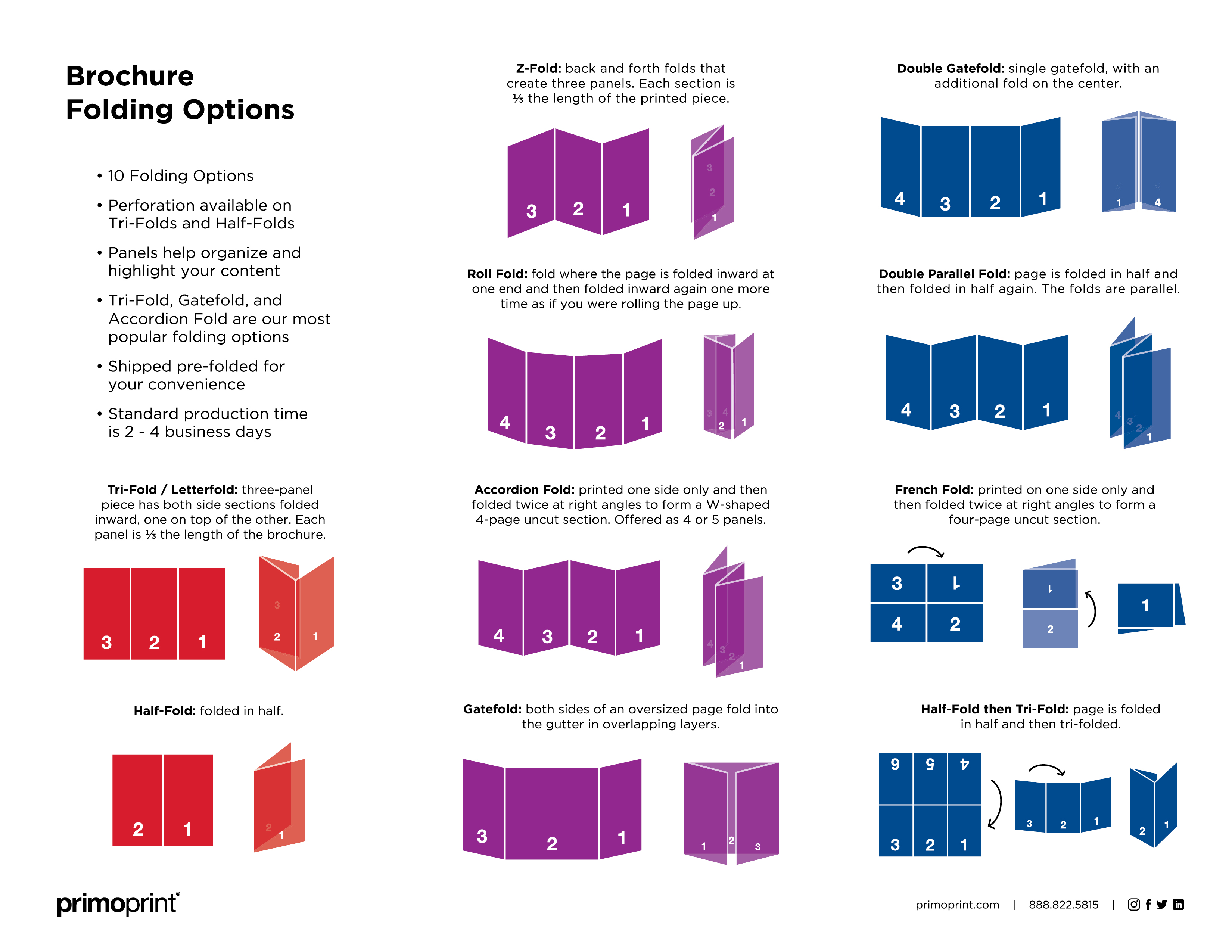
The Complete List of Brochure Folds Primoprint Blog
However, A Comprehensive Understanding Of Paper Weight, Finish, And Brochure Size Is Essential To Find The Right Paper For Your Brochure.
Dive Into Our Comprehensive Guide, Exploring Paper Types, Finishes, And Weights.
If You’re Wondering About The Best Type Of Paper For Brochures, The Easy Answer Is That Most Brochures Will Look And Feel Good When They’re Printed On 100 Lb Silk Text.
Learn Which Paper Weight To Choose And Whether A Gloss, Matte Or Uncoated Paper Is The Best Choice.
Related Post: