Urinary System Brochure
Urinary System Brochure - A) kidneys which produce urine. The urinary system chart presents an overview of the male and female urinary systems. In this module, we first examine the basic structures of the urinary system, and then turn to the functional roles of the kidneys. 1 these organs cooperate to carry out urine production, storage. The urachus is an embryological canal connecting the urinary bladder of the fetus with the allantois, a structure that contributes to the formation of the umbilical cord. The blood continuously to remove waste and to regulate the amount of water in the body (= the water balance). These human lymphatic and urinary system medical posters are scientifically written. Urine is used to extract excess minerals or vitamins as well as blood corpuscles from. Altered urinary system kidneys stoma ureters ileal conduit. Urinary system blood supply to kidneys: In this module, we first examine the basic structures of the urinary system, and then turn to the functional roles of the kidneys. The organs, tubes, muscles, and nerves that work together to create, store, and carry urine are the urinary system. The urinary tract consists of the upper urinary tract (kidneys and ureters) and the lower urinary tract (bladder, and urethra). Introduction to the urinary system. The urinary system chart presents an overview of the male and female urinary systems. Altered urinary system kidneys stoma ureters ileal conduit. Describe the structure of the kidney. Urine is a liquid produced by the kidneys, collected in the bladder and excreted through the urethra. List the homeostatic functions of the kidney. These human lymphatic and urinary system medical posters are scientifically written. Altered urinary system kidneys stoma ureters ileal conduit. Between 1 and 2 liters of urine are normally produced. Urinary system blood supply to kidneys: • 1/4 of cardiac output delivered to kidneys • 0.25 x 5 l / min = 1.25 l / min (kidneys only 0.5% of total. List the homeostatic functions of the kidney. Introduction to the urinary system. The overall anatomy of bladder, kidney, ureters and urethras are illustrated, and the differences. It features detailed, labelled views of the. The organs, tubes, muscles, and nerves that work together to create, store, and carry urine are the urinary system. The blood comes from the heart through. A) kidneys which produce urine. The overall anatomy of bladder, kidney, ureters and urethras are illustrated, and the differences. Altered urinary system kidneys stoma ureters ileal conduit. In this module, we first examine the basic structures of the urinary system, and then turn to the functional roles of the kidneys. The blood continuously to remove waste and to regulate the. The blood continuously to remove waste and to regulate the amount of water in the body (= the water balance). The james the ohio state university comprehensive cancer center subject: Urine is used to extract excess minerals or vitamins as well as blood corpuscles from. Introduction to the urinary system. Choose from a variety of colorful anatomy illustrations on paper. Between 1 and 2 liters of urine are normally produced. Describe the structure of the kidney. In this module, we first examine the basic structures of the urinary system, and then turn to the functional roles of the kidneys. The main function of the urinary system is to eliminate the waste products of metabolism from the body by forming and. 1 these organs cooperate to carry out urine production, storage. The james the ohio state university comprehensive cancer center subject: Choose from a variety of colorful anatomy illustrations on paper or lamination in wall and notebook. Ideal for classroom instruction, medical practice reference, or undergraduate study, this poster is a comprehensive tool for mastering urology anatomy. The overall anatomy of. As you can see in figure 24.1, the kidneys resemble their. Urine is used to extract excess minerals or vitamins as well as blood corpuscles from. Introduction to the urinary system. Study general organization of urinary system. The main function of the urinary system is to eliminate the waste products of metabolism from the body by forming and excreting urine. It features detailed, labelled views of the. The urinary system includes two kidneys, two ureters, the bladder, two. The blood continuously to remove waste and to regulate the amount of water in the body (= the water balance). As you can see in figure 24.1, the kidneys resemble their. List the homeostatic functions of the kidney. Describe the structure of the kidney. The urinary system chart presents an overview of the male and female urinary systems. The blood continuously to remove waste and to regulate the amount of water in the body (= the water balance). Explain the functions and parts of urinary system. The blood comes from the heart through. The blood continuously to remove waste and to regulate the amount of water in the body (= the water balance). Ideal for classroom instruction, medical practice reference, or undergraduate study, this poster is a comprehensive tool for mastering urology anatomy. Urine is a liquid produced by the kidneys, collected in the bladder and excreted through the urethra. The urinary tract. List the homeostatic functions of the kidney. The blood comes from the heart through. Thousands of metabolic processes in myriad body cells produce hundreds of waste products. Ideal for classroom instruction, medical practice reference, or undergraduate study, this poster is a comprehensive tool for mastering urology anatomy. Study general organization of urinary system. 1 these organs cooperate to carry out urine production, storage. The blood continuously to remove waste and to regulate the amount of water in the body (= the water balance). The urinary system chart presents an overview of the male and female urinary systems. Choose from a variety of colorful anatomy illustrations on paper or lamination in wall and notebook. In this module, we first examine the basic structures of the urinary system, and then turn to the functional roles of the kidneys. The overall anatomy of bladder, kidney, ureters and urethras are illustrated, and the differences. The organs, tubes, muscles, and nerves that work together to create, store, and carry urine are the urinary system. Urine is a liquid produced by the kidneys, collected in the bladder and excreted through the urethra. The urinary tract consists of the upper urinary tract (kidneys and ureters) and the lower urinary tract (bladder, and urethra). These human lymphatic and urinary system medical posters are scientifically written. Explain the functions and parts of urinary system.
SOLUTION Urinary system brochure Studypool

PPT Back! PowerPoint Presentation, free download ID845715
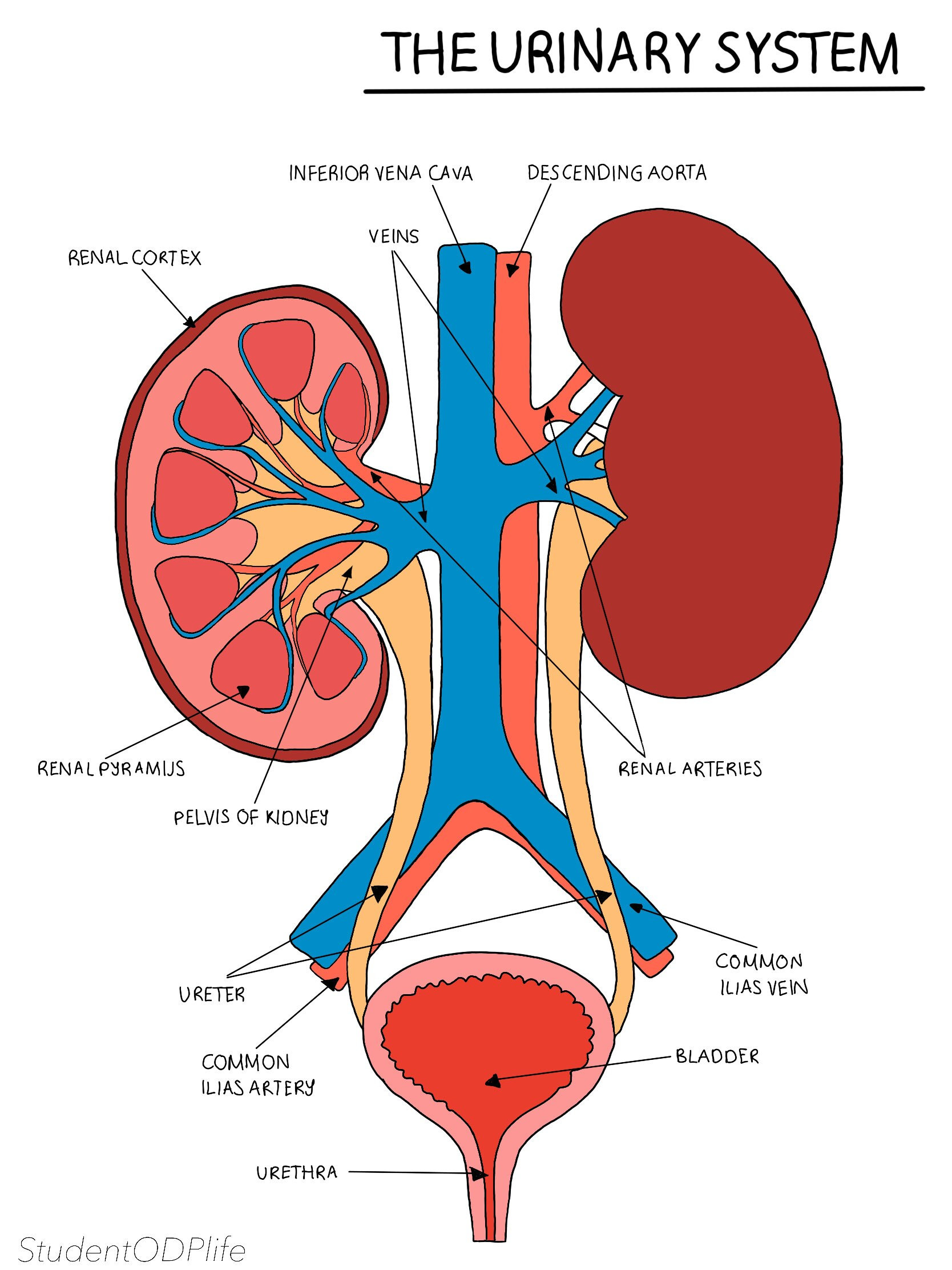
The Urinary System Diagram LABELLED Etsy
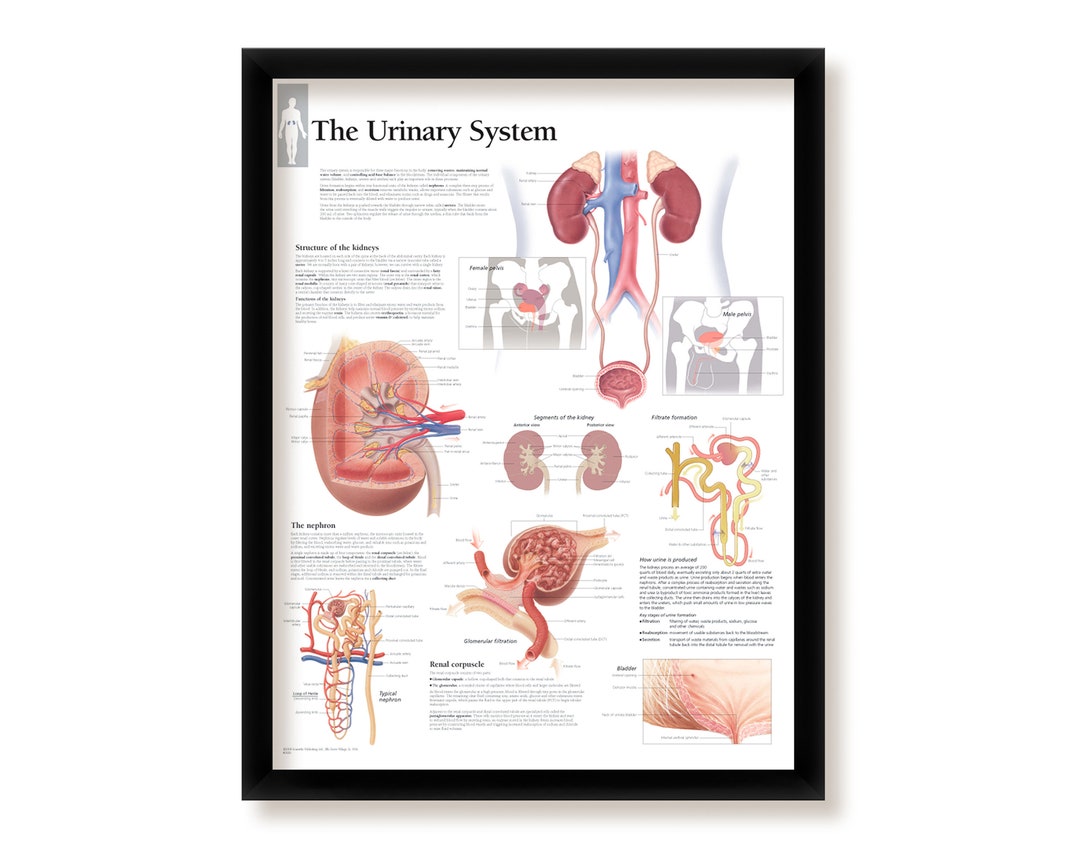
Framed Medical Poster the Urinary System 22"x28" Wall Diagram
.jpg)
The Urinary System. ppt download

For a look at the structures and functions of the urinary system

SOLUTION Urinary system brochure Studypool

Urinary System Poster 24" x 36" Laminated Quick Reference Chart

The Urinary Tract Anatomy and Physiology 4006698 3B Scientific
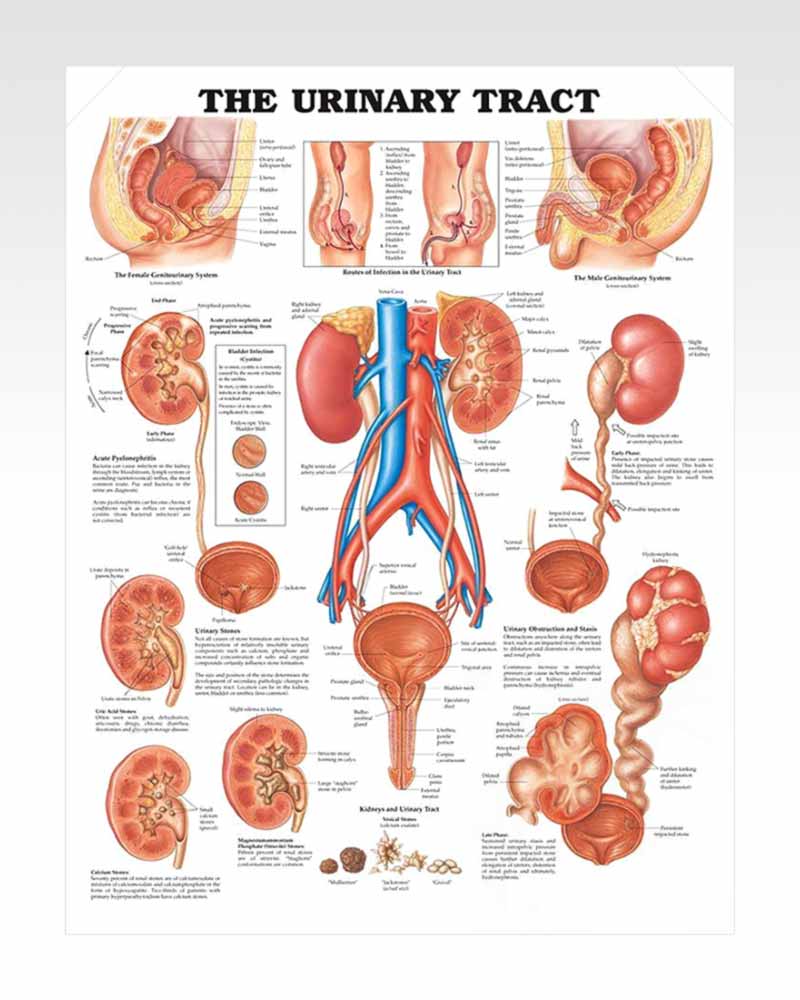
Laminated Urinary Tract Anatomy Posters ClinicalPosters
The Main Function Of The Urinary System Is To Eliminate The Waste Products Of Metabolism From The Body By Forming And Excreting Urine.
Introduction To The Urinary System.
A) Kidneys Which Produce Urine.
• 1/4 Of Cardiac Output Delivered To Kidneys • 0.25 X 5 L / Min = 1.25 L / Min (Kidneys Only 0.5% Of Total.
Related Post: